
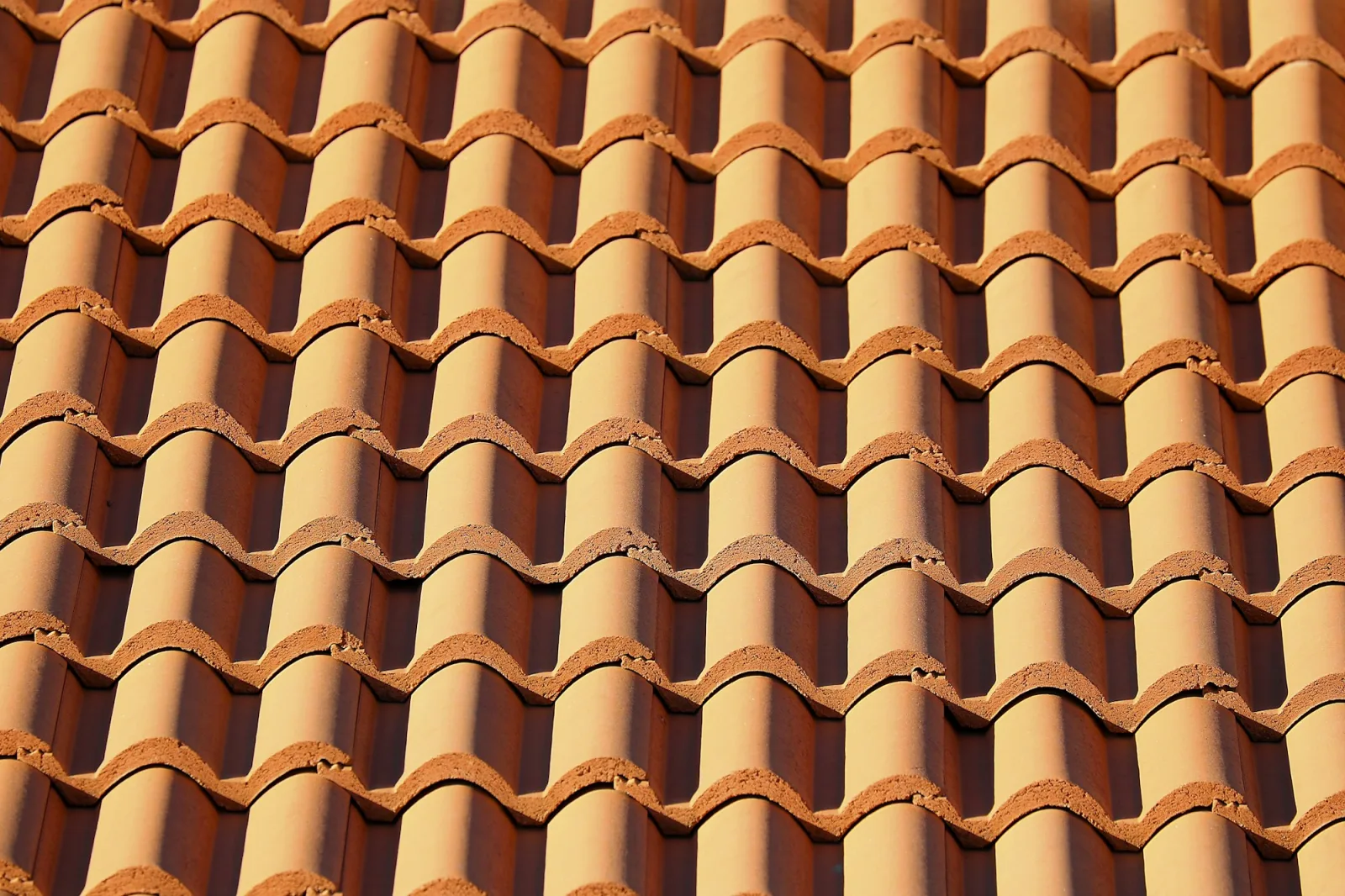
Drive through any village between King’s Lynn and Swaffham and the roofs are the same orange-red S-curve: the clay pantile, imported from the Low Countries as ballast in the seventeenth century and then made here for three hundred years.
The tile outlasts everything under it
A good clay pantile is fired to the point where frost cannot get into it. Eighty years is ordinary and a hundred and fifty is not unusual. The felt and battens holding it up manage about forty. So a pantile roof that is "failing" is almost always a roof whose tiles are fine and whose timber is not.
What salvaging actually involves
The tiles come off by hand and get stacked. The roof is re-felted with a breathable membrane and re-battened, and then the same tiles go back on, buying in replacements only for the ones that broke. On a typical semi you might lose ten per cent.
Two reasons it is worth the extra labour
The first is money: salvaged pantiles plus a few hundred new ones costs less than buying a roof, and it usually more than covers the extra day of labour.
The second is that it matches. A new machine-made pantile next to a weathered one is a different colour and always will be. On a terrace, or in the conservation area, that difference is the whole argument, and in a good many cases the council will not let you make it.